Web design in 2026 is no longer just about making a website “look good.” It’s about creating fast, intuitive, user-focused experiences that build trust and convert visitors into customers. With user behavior, devices, and search engines evolving rapidly, following outdated design practices can cost you traffic, rankings, and revenue.
To stay competitive, every business and designer must follow the five golden rules of web designing that shape modern, impressive web designing in 2026.
Five Golden Rules of Web Designing
1. User Experience Comes Before Visual Design
The first and most important rule of web designing in 2026 is simple: design for users, not just aesthetics.
A visually attractive website is useless if visitors struggle to find information, navigate pages, or complete actions. Modern users expect clarity, speed, and ease.
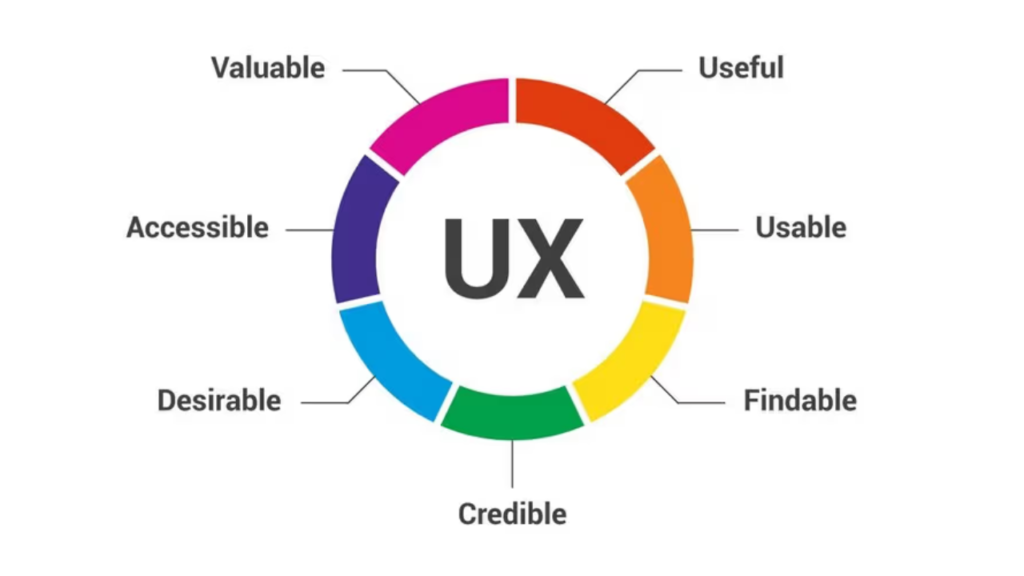
Key UX elements you must focus on:
- Clear navigation and logical page structure
- Easy-to-read fonts and proper spacing
- Minimal clicks to reach important pages
- Consistent design across all pages
Impressive web designing starts with understanding how users think, scroll, and interact. When your website feels effortless to use, users stay longer and search engines notice that.
In short, it measures AI visibility, not only keyword rankings.
2. Mobile-First Design Is Non-Negotiable
In 2026, mobile traffic dominates almost every industry. Designing for desktop first is no longer practical.
The five golden rules of web designing now demand a mobile-first approach, where the mobile experience is designed before scaling up for larger screens.
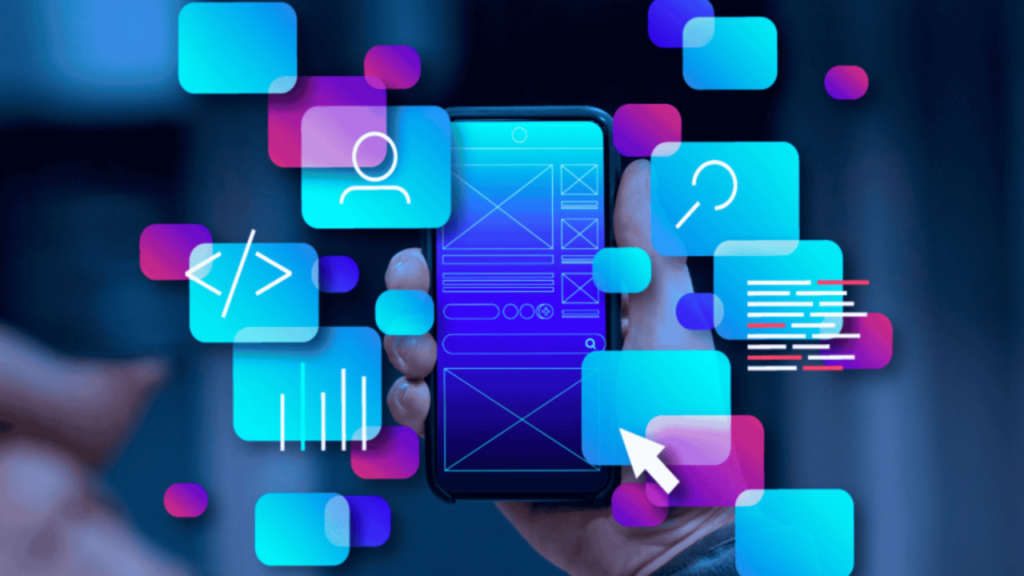
What mobile-first design includes:
- Responsive layouts that adapt to all screen sizes
- Thumb-friendly buttons and menus
- Optimized images for faster loading
- Readable content without zooming
If your website doesn’t perform well on mobile, it will struggle to rank, convert, and retain users no matter how impressive it looks on desktop.
3. Speed and Performance Define First Impressions
Website speed is no longer a technical luxury it’s a design requirement.
Users in 2026 expect pages to load almost instantly. Even a delay of a few seconds can increase bounce rates and reduce conversions.

Performance-focused web designing practices:
- Lightweight design elements
- Optimized images and media files
- Clean code and minimal scripts
- Fast hosting and caching
Impressive web designing is invisible in this sense it works smoothly in the background while users enjoy a seamless experience.
4. Visual Hierarchy and Clarity Matter More Than Ever
Modern web design is about guiding attention, not overwhelming visitors with effects, animations, or clutter.
A strong visual hierarchy helps users understand:
- What the page is about
- Where to look first
- What action to take next
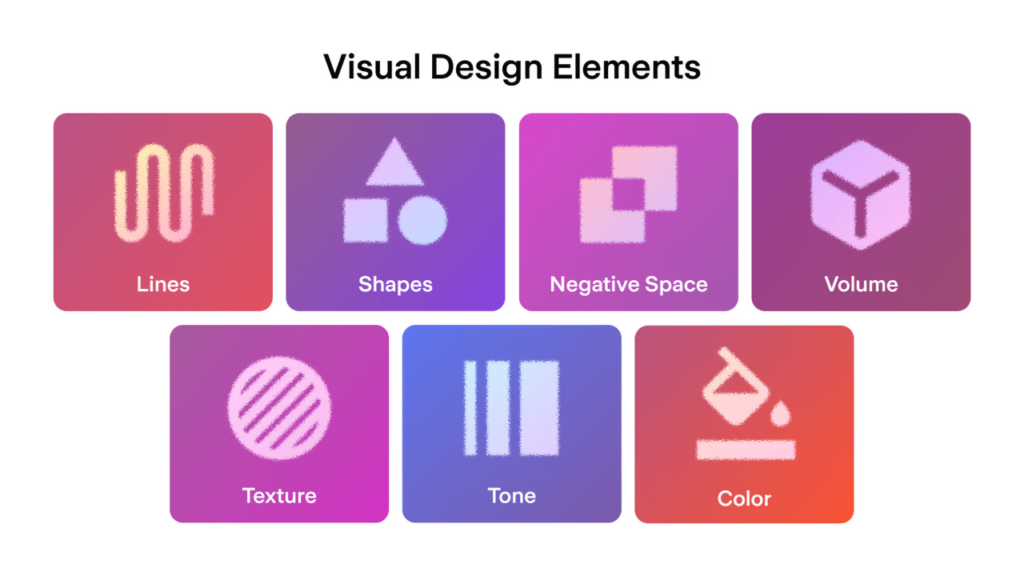
How to create better visual hierarchy:
- Use headings and subheadings strategically
- Maintain consistent color usage
- Highlight important buttons and CTAs
- Avoid overcrowding content
Among the five golden rules of web designing, clarity plays a crucial role in both usability and credibility. Clean, focused layouts always outperform flashy but confusing designs.
5. Accessibility and Inclusivity Are Essential
In 2026, web designing is incomplete without accessibility.
An impressive website should be usable by everyone including users with disabilities. Accessibility also improves overall usability and helps with SEO.
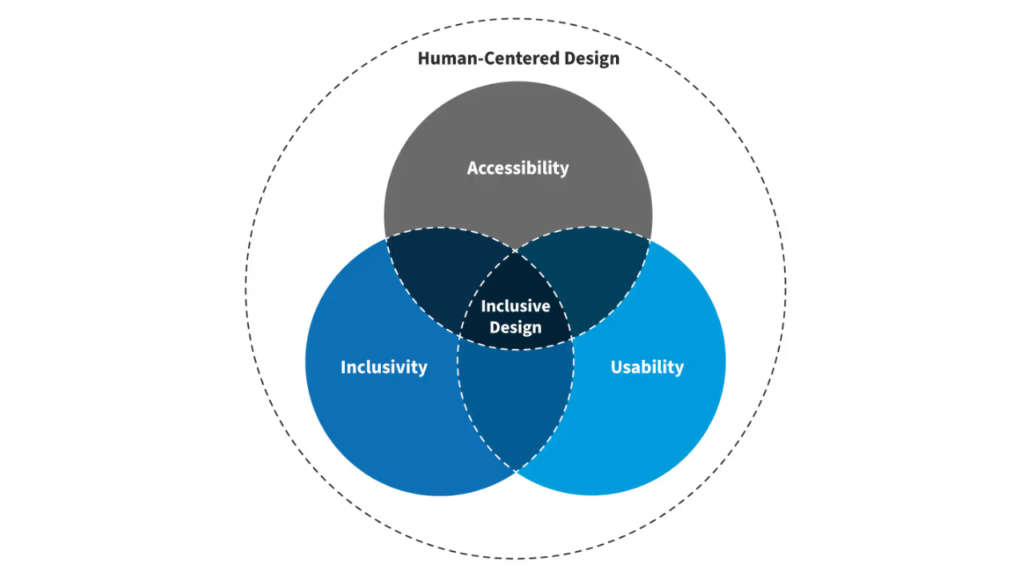
Accessibility essentials you should follow:
- Proper color contrast for readability
- Alt text for images
- Keyboard-friendly navigation
- Clear labels for forms and buttons
Designing inclusively not only expands your audience but also builds trust and professionalism into your brand.
Great web designing isn’t about looks alone- it’s about creating experiences that convert visitors into customers.
Web Designing in an AI-First World
• When AI works alongside the five golden rules of web designing, the result is a website that is intelligent, responsive, and future-ready.
• Web designing in 2026 exists in an AI-first world, where artificial intelligence plays a growing role in shaping digital experiences without replacing core design principles.
• AI significantly influences how websites are optimized, tested, and improved over time.
• AI-powered tools analyze real user behavior such as:
• Scrolling patterns
• Engagement time
• Navigation paths
• These insights help designers:
• Refine layouts
• Improve content placement
• Create smoother and more effective user journeys
• Impressive web designing in an AI-first world focuses on adaptability, as websites are no longer static and continue to evolve based on user interaction.
• Features like personalization, performance optimization, and smarter design decisions are becoming standard expectations.
• Despite AI advancements, human creativity remains essential in web designing.
• The best design strategies combine AI-driven insights with human-centered thinking to ensure websites feel intuitive, trustworthy, and user-friendly.
Key Points to Focus on in Web Designing
• User Experience (UX) – Make navigation simple, intuitive, and goal-oriented so users can easily find what they need.
• Mobile-First Design – Design for mobile screens first, then scale for tablets and desktops.
• Website Speed & Performance – Fast loading pages reduce bounce rate and improve user trust.
• Clean & Simple Layout – Avoid clutter. Use white space to improve readability and focus.
• Clear Visual Hierarchy – Guide users’ attention using headings, spacing, colors, and buttons.
• Responsive Design – Ensure the website works smoothly on all screen sizes and devices.
• Accessibility – Use proper color contrast, readable fonts, alt text, and keyboard navigation.
• Consistent Branding – Maintain uniform colors, fonts, and styles across all pages.
• Strong Call-to-Actions (CTAs) – Make it clear what action users should take next.
• SEO-Friendly Structure – Use proper headings, clean URLs, and structured content.
• Security & Trust Signals – HTTPS, privacy policy, and clear contact details build credibility.
• AI & Personalization Readiness – Design layouts that support personalization and data-driven improvements.
• Scalability & Flexibility – Design so content and features can grow without redesigning everything.
Conclusion
Web design trends will continue to evolve, but these core principles will remain constant. If you want your website to stand out in 2026 and beyond, focus on user experience, mobile-first design, speed, clarity, and accessibility.
A well-designed website isn’t just seen it’s remembered, trusted, and acted upon.
FAQs
What are the five golden rules of web designing?
The five golden rules of web designing focus on user experience, mobile-first design, website speed, clear visual hierarchy, and accessibility. These rules help create websites that are easy to use, visually clear, and effective in converting visitors.
Why are the five golden rules of web designing important in 2026?
In 2026, user expectations and technology have evolved significantly. Following the five golden rules of web designing ensures your website performs well across devices, loads fast, remains accessible, and delivers a strong user experience in an AI-driven digital environment.
How does AI impact web designing in 2026?
AI impacts web designing by analyzing user behavior, improving personalization, and helping optimize layouts and performance. While AI supports better decision-making, human creativity and user-focused design remain essential.
What is impressive web designing?
Impressive web designing refers to creating websites that balance visual appeal with usability, speed, and clarity. It focuses on smooth navigation, responsive layouts, and user-friendly design rather than just attractive visuals.
Is mobile-first web designing still necessary?
Yes, mobile-first web designing is essential in 2026. Most users browse websites on mobile devices, and search engines prioritize mobile-friendly websites for better visibility and rankings.